Everything You Need to Know About US EB5 Investor Immigration
Unlocking Opportunities: A Detailed Guide to EB5 Investment Immigration
The EB-5 Immigrant Investor Program provides a pathway for foreign investors to obtain U.S. permanent residency through strategic investments. Understanding the eligibility requirements and investment processes is essential for potential applicants. Selecting the right project can greatly influence success. However, challenges often emerge, necessitating informed decision-making. As investors navigate this complex landscape, key insights can make all the difference in accessing opportunities. What are the essential elements that can impact their journey?
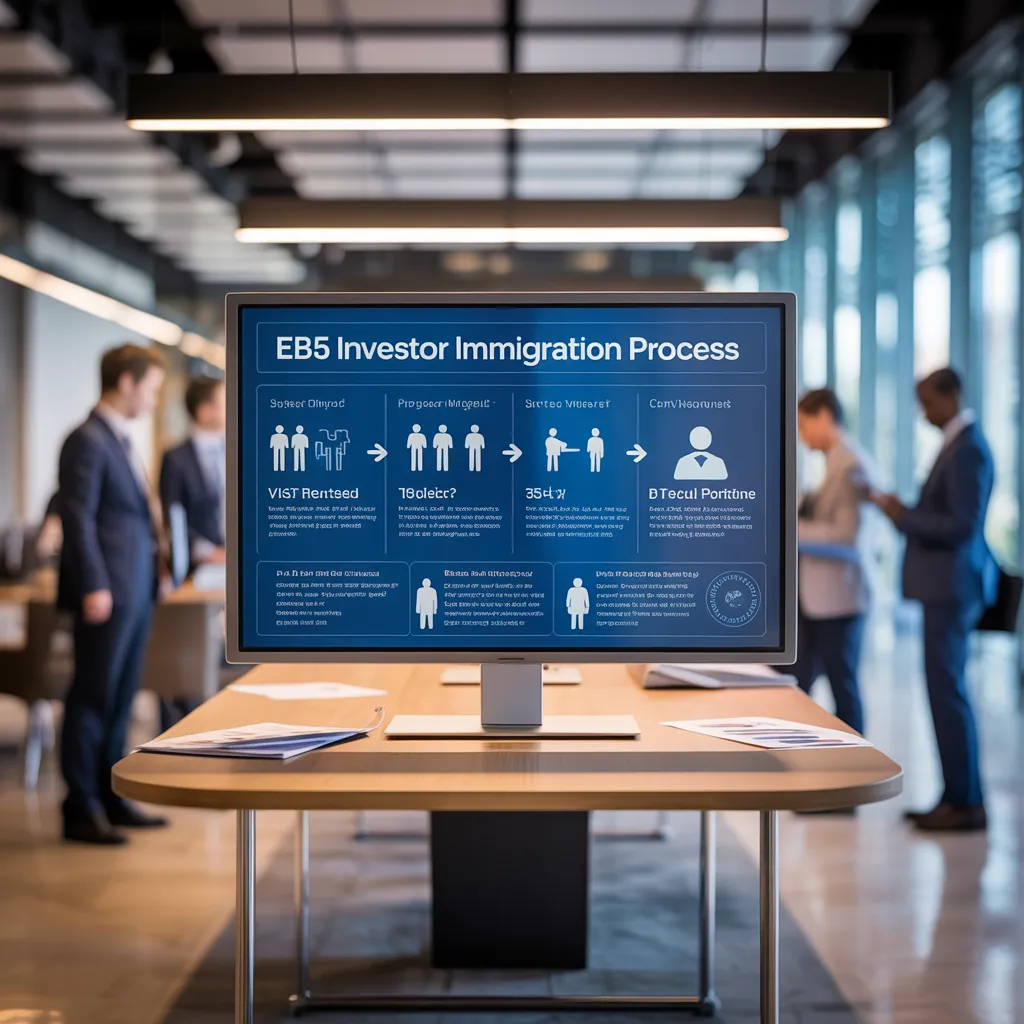
Comprehending the EB-5 Immigration Investor Program
The EB-5 Immigrant Investor Program offers a route to lawful copyright in the United States for foreign investors, provided they meet specific investment and job creation criteria. Initiated in 1990, the program aims to stimulate the U.S. economy by drawing in foreign capital. Investors must typically invest a minimum of $1,000,000 in a new commercial enterprise, or $500,000 in a designated employment area, which is defined as a location with high unemployment or in a rural zone.
This program mandates that these investments establish or retain at least ten full-time jobs for U.S. workers within 24 months. In addition, the investment should be at risk, signifying the investor could potentially sacrifice their capital. The EB-5 program is attractive for its direct avenue to obtaining a copyright, allowing investors and their immediate family members to reside, work, and pursue education in the United States, supporting economic growth while exploring new opportunities.
Qualification Requirements for EB-5 Investors
The eligibility criteria for EB-5 investors include multiple important components, including investment sum standards, employment generation requirements, and the source of funds. Comprehending these components is crucial for prospective investors aiming to traverse the program successfully. Each requirement plays a vital role in determining both the practicability of the investment and the potential for obtaining a copyright.
Investment Amount Criteria
Investment amount requirements are a vital part of the EB-5 visa program, determining eligibility for foreign investors seeking permanent residency in the United States. As of the most recent guidelines, the minimum investment requirement is typically set at $1 million. However, this amount is reduced to $500,000 if the investment is made in a Targeted Employment Area (TEA), which encompasses high-unemployment or rural areas. These criteria ensure that investments contribute meaningfully to the U.S. economy. Investors must also demonstrate that the funds are lawfully obtained and can be traced back to their legitimate sources. Complying with these financial thresholds is essential start now for those aiming to navigate the complexities of the EB-5 visa process successfully.
Workforce Development Mandates
To qualify for the EB-5 visa program, investors must satisfy specific job creation requirements, which play a vital role in demonstrating the economic impact of their investments. Each EB-5 investor is required to create or preserve at least ten full-time jobs for qualified U.S. workers within two years of their investment. This job creation must occur in either a new commercial enterprise or a targeted employment area (TEA), which is defined as a rural area or one experiencing high unemployment. Investors in TEAs receive a lower investment threshold. Meeting these mandates is essential, as failure to satisfy the job creation requirements can result in the denial of the copyright, undermining the investor's immigration aims.
Financial Sources
Comprehending the provenance of funds is a crucial component of the EB-5 copyright process. Candidates need to prove that their investment capital comes from legal sources, maintaining compliance with U.S. immigration laws. This entails providing comprehensive documentation that traces the funds back to their origin, whether from personal savings, business income, or inheritance.
U.S. Citizenship and Immigration Services (USCIS) demands investors to provide bank statements, tax returns, and legal documents to confirm the legitimacy of their capital sources. Failing to properly establish the source of funds can cause application disapproval. Therefore, thorough preparation and transparency are vital for EB-5 investors seeking to secure their immigration status through this program.
Investment Process: Complete Step-by-Step Guide
The investment process for EB-5 investors involves particular upfront investment obligations and a well-organized application submission process. Grasping these stages is vital for prospective investors looking to navigate the complexities of the program. This guide will present each phase to guarantee clarity and compliance with immigration requirements.
Initial Investment Requirements
Those looking to navigate the EB5 visa process must first comprehend the initial investment requirements, which are vital for achieving permanent residency in the United States. The minimum investment amount is usually set at one million dollars, but this can be reduced to $500K if the funds are directed towards a targeted employment area (TEA), distinguished by substantial joblessness or low earnings. It is essential for investors to ensure that their funds are subject to risk and designated for a newly established business venture, which must produce or safeguard at least a minimum of ten full-time jobs for approved U.S. workers. Additionally, investors need to document the legitimate source of their investment funds, establishing compliance with U.S. regulations and enhancing their application's credibility.
Submission Process for Applications
Following the initial investment prerequisites, the next crucial step in the EB5 visa process involves the application submission. Applicants need to complete Form I-526, the Immigrant Petition by Alien Investor, which specifies their investment and the job creation plan connected to it. This form demands thorough documentation, including evidence of the investment funds' legitimacy and the business plan's viability. After filing, applicants should prepare for a processing period, during which U.S. Citizenship and Immigration Services (USCIS) reviews the petition. If approved, the applicant receives a notice to proceed with the next steps toward acquiring a conditional permanent residency. It is vital for applicants to verify all materials are precise and complete to minimize delays in the processing timeline.
Picking the Best EB-5 Investment Opportunity
How does one guarantee that an EB-5 project fits investment goals and immigration ambitions? First, potential investors should carry out thorough due diligence to assess the project's financial viability and track record. This includes reviewing the project's business plan, economic impact, and projected job creation, which are critical for meeting EB-5 requirements.
Investors should also consider the location of the project, as regional economic conditions can substantially affect success. Engaging with reliable regional centers and requesting counsel from immigration attorneys or financial advisors can supply valuable insights.
In addition, knowing the exit strategy is critical; investors should verify how and when they will recover their capital back. Lastly, synchronizing personal values and interests with the project can improve contentment and commitment. By thoroughly evaluating these elements, investors can make well-informed decisions that support both their financial aims and immigration objectives.
Typical Obstacles and Solutions to Address Them
Maneuvering the intricacies of the EB-5 program can create substantial challenges that demand careful consideration and strategic planning. One frequent obstacle investors face is the prolonged processing times for applications, which can create uncertainty. To mitigate this, prospective investors should compile all needed documentation early and stay current about any changes in regulations that may influence timelines.
In addition, the financial requirement of $900,000 or $1.8 million can be overwhelming. To tackle this, investors should conduct thorough due diligence on potential projects, verifying a viable business model and a clear path to job creation.
Furthermore, understanding the complex immigration laws and requirements can be intimidating. Consulting experienced immigration attorneys and financial advisors can provide invaluable guidance, assisting in navigate intricate legal landscapes and investment strategies. By expecting these challenges, investors can more effectively position themselves for a favorable EB-5 experience, ultimately unlocking the opportunities the program offers.
How Regional Centers Function in EB-5 Investments
Regional centers serve a crucial function in the EB-5 investment landscape by operating as liaisons between foreign investors and U.S. businesses seeking capital. These organizations are authorized by the U.S. Citizenship and Immigration Services (USCIS) and are crucial for enabling investments that produce jobs and drive economic expansion. Regional centers combine resources from multiple investors to finance projects, which can range from real estate developments to infrastructure improvements.
The Path to Permanent Residency and Beyond
Steering the journey to copyright through the EB-5 program demands careful planning and compliance with specific requirements. Investors must invest a minimum of $1 million, or $500,000 in designated employment areas, into a new commercial enterprise. After the investment, they must lodge Form I-526, demonstrating that the investment will produce at least ten full-time jobs for U.S. workers.
Once the I-526 petition receives approval, investors can submit an application for conditional permanent residency by submitting Form I-485 or DS-260. This status lasts for two years, during which investors must establish that their investment is sustaining the job creation requirement.
To convert to unconditional permanent residency, investors are required to file Form I-829 within 90 days of the two-year anniversary of their residency. Successfully steering these steps not only guarantees permanent residency but also opens up additional opportunities, such as citizenship after holding residency for the required duration.
Questions & Answers
How Long Should You Expect the EB-5 Application Process to Take?
The EB-5 application procedure generally requires 18 to 24 months, while timelines can change dramatically depending on individual circumstances, regional center approvals, and U.S. Citizenship and Immigration Services processing times. Being patient is vital.
Is It Possible to Include Family Members in My EB-5 Application?
Yes, one can include immediate family members, such as a spouse and unmarried children under 21, in the EB-5 application. This inclusion permits them to acquire copyright along with the principal investor.
What Are the Consequences if My EB-5 Investment Fails?
If an EB-5 investment fails, the investor might forfeit their capital and be unable to secure permanent residency. They could also face difficulties in retrieving funds, based on the project's structure and underlying agreements.
Is a Minimum Investment Amount Necessary for EB-5?
The minimum investment amount required for the EB-5 program is generally $1 million. Nevertheless, in specific employment regions, the minimum may be lowered to $500,000, fostering investment in areas requiring economic development.
Am I Allowed to Work in the United States While My EB-5 Application Is Pending?
When an EB-5 application is pending, applicants are not permitted to work in the U.S. until they hold a valid copyright. Approval of the EB-5 petition does not grant immediate work authorization until subsequent steps are fulfilled.